Smart Homes for Villas, Apartments and Farmhouses: Each Needs Something Different
A smart home is not one size fits all. An apartment, a villa and a farmhouse live very differently, so they need different automation. An apartment wants tidy comfort, a villa wants everything working as one across floors, and a farmhouse wants to stay secure and usable even when no one is there. Matching the plan to the home is what makes it feel right.
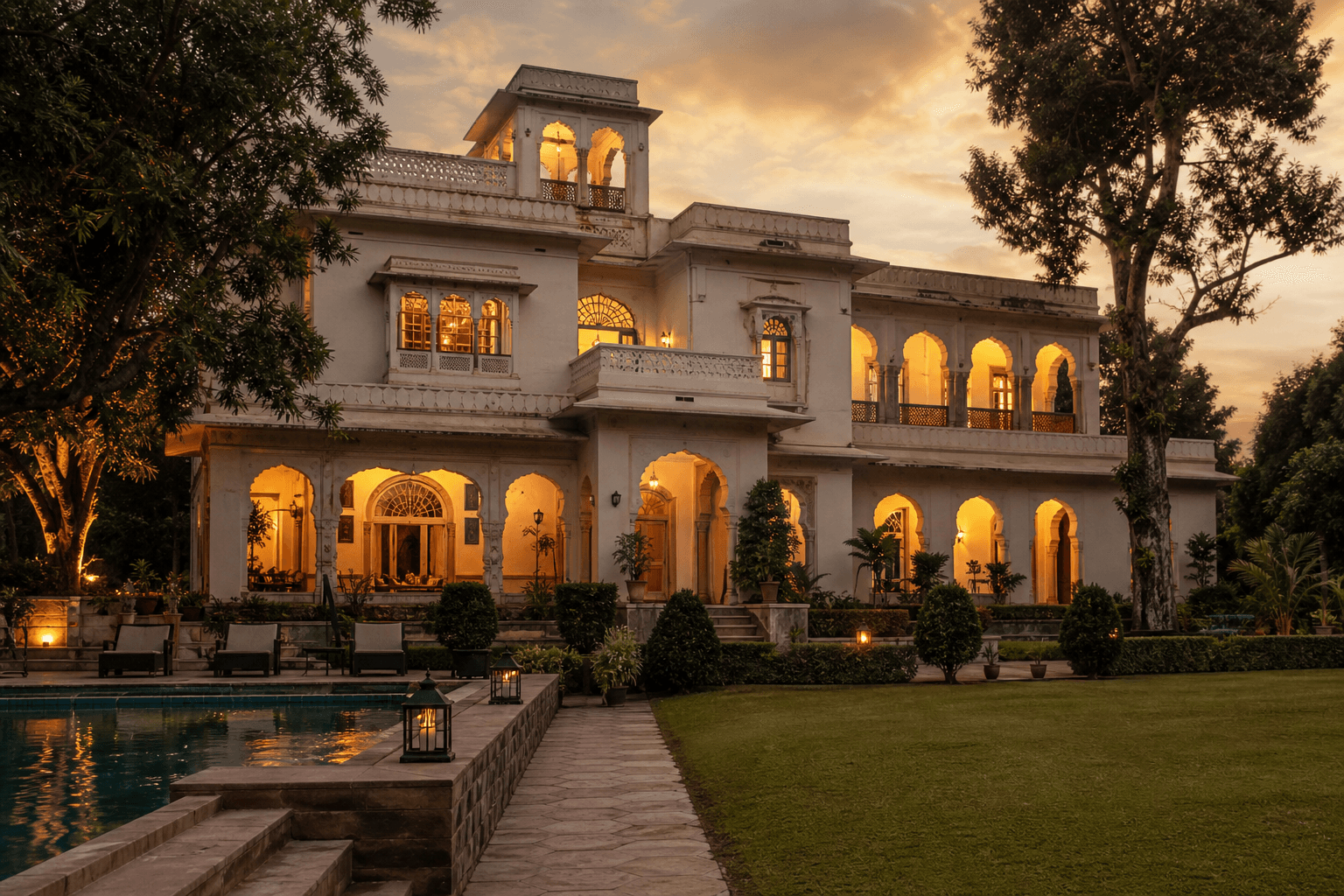
Why the type of home changes the plan
The mistake people make with automation is starting from the gadget. They hear about a smart switch or a camera, buy a few, and hope the house feels smart afterwards. It rarely does, because the home was never asked what it needed. A good plan starts the other way around. It starts from the building and the way you live in it, and only then decides what to automate. That is why the same budget can produce a home that feels effortless or a home that feels like a pile of disconnected devices.
An apartment, a villa and a farmhouse are three very different lives. One is compact and lived in every day, one is large and spread across floors, and one is remote and often empty. Each of them puts a different thing first. Get the priority right and the automation quietly does its job. Get it wrong and you end up paying for features you never touch while the things that would have mattered are missing. The comparison below is the simplest way to see how the three homes pull in different directions.
Same technology, different priorities. What each home puts first is what shapes its plan.
Tidy comfort in a compact space
- Lighting and scenes
- Everyday comfort
- Simple security
Many rooms and floors as one home
- Whole home scenes
- Curtains and AC zones
- AV and gate together
Secure and usable even when empty
- Remote security
- Water and pumps
- Access from anywhere
Apartments: comfort, lighting and scenes in a compact space
An apartment is lived in every single day, so what people want from it is quiet comfort rather than a control room. The space is compact, which is a strength. A handful of well placed changes cover most of daily life. Good lighting control comes first, so the family can move between a bright morning setting, a softer evening one and a low night setting without hunting for switches. A few scenes tie those into single taps or a spoken word, so leaving home, settling in for the evening or heading to bed each become one simple action instead of a walk around the rooms.
Security in an apartment is usually light and focused. A smart lock, a door sensor and a camera at the entrance give peace of mind without turning the home into a fortress. Because the walls are already up and the space is small, most of this can be done with wireless modules that fit behind the existing switch boards, with little or no civil work. That keeps the project clean and quick, and it still leaves the door open to add curtains, a video door phone or more rooms later.
- Lighting scenes for morning, evening and night
- One tap or one word for arrive, relax and sleep
- Smart lock, door sensor and an entrance camera
- Wireless retrofit with little or no civil work
Villas: many rooms and floors working as one
A villa changes the question completely. Now there are many rooms across two or more floors, and the real work is making all of it behave as a single home rather than a collection of separate gadgets in separate rooms. Whole home lighting scenes matter here, so that a single action can settle the ground floor for the evening or put the whole house to sleep at night. Motorised curtains and blinds bring the large windows under the same control, and room by room air conditioning zones keep each part of the house comfortable without cooling space no one is using.
A villa is also where audio and video, the gate and security all deserve to live in the same system. Music and screens that follow you from room to room, a gate that opens as you arrive, and cameras and sensors that report into the same app make the home feel considered rather than patched together. Because a villa is usually a deeper project, wired automation and a local controller are often the right backbone. They keep the whole house responding smoothly across every floor, and they hold up even when the internet has a bad day.
- Whole home scenes across every floor
- Motorised curtains and room by room AC zones
- Audio, video and the gate on one system
- Wired backbone with a local controller for reliability
Farmhouses: secure, watered and reachable, even when empty
A farmhouse flips the priorities again. It is usually away from the city and often stands empty for days at a time, so comfort scenes matter less and security, water and access matter far more. The most important job is keeping an eye on the place from wherever you are. Cameras, motion sensors and door sensors that send alerts to your phone let you know the property is safe, or tell you the moment it is not. Lights that come on in natural patterns help the house look lived in rather than abandoned.
Water is the next pillar, because a remote property lives and dies by its pumps and tanks. Being able to see tank levels, run pumps on a schedule and get a warning before a tank runs dry saves a wasted trip and a lot of worry. Access is the third. Remote control of the gate and the door lets you let in a caretaker, a farm hand or a guest without driving out yourself. Above all, a farmhouse system has to keep working on its own when nobody is around, so local control and sensible schedules carry it through the stretches when the internet is patchy.
- Cameras and sensors with alerts to your phone
- Tank levels, pump schedules and dry run warnings
- Remote gate and door access for caretakers and guests
- Local control that keeps working when the internet drops
Every type can start small and grow
None of this has to happen all at once. Whatever the home type, the best projects begin with the one or two things you would feel every single day and grow from there. An apartment might start with the entry and living lighting and a smart lock, then add curtains and more rooms later. A villa might begin with the ground floor scenes and the gate, then bring in the upper floors and the audio over time. A farmhouse might start with security and water, the parts that let you stop worrying, and expand comfort afterwards.
The one thing that must be right from day one is the plan underneath. If the wiring, the network and the hubs are laid out with the full home in mind, adding more later is simple and clean. If they are not, every new addition becomes a small demolition. This is exactly why the same Onwords Living Home OS runs under an apartment, a villa or a farmhouse. The plan flexes to the home, while the foundation stays ready to grow.
How Onwords tailors the plan to your home
Our approach is simple. We start from your home and the way you live in it, not from a fixed catalogue we push onto every project. We look at whether it is an apartment, a villa or a farmhouse, we talk through what daily life there actually looks like, and we single out the few things that would matter most to you. From that we shape a plan and a sensible first phase, one you will feel right away, and we lay the foundation so the home can grow at your pace. If you would like to understand what shapes the numbers before you decide, our guide to smart home automation cost in India walks through it in plain terms.
How to plan a smart home for your home type
Four steps, in order, that keep the plan matched to the home.
- 01
Start from the home, not the gadget
Begin by naming the home type, an apartment, a villa or a farmhouse, and describe what daily life there actually looks like. The building and the routine decide the plan, not a shiny device.
- 02
List the few things that matter most
For an apartment that is usually comfort, lighting and scenes with light security. For a villa it is many rooms and floors working as one. For a farmhouse it is security, water and access that hold up when the place is empty.
- 03
Choose a first phase you will feel every day
Pick one or two zones that give the biggest daily payoff and start there. Choose wired or wireless to suit the building, wireless retrofit for a compact apartment, wired automation for a full villa.
- 04
Leave room to grow
Plan the wiring and hubs so more rooms and features can be added later without tearing anything out. A good plan lets the home expand at your pace instead of locking you in on day one.
FAQ
Yes. A smart home is not one size fits all. An apartment, a villa and a farmhouse are lived in very differently, so the automation that feels right in one can feel wrong in another. An apartment wants tidy comfort in a compact space, a villa wants many rooms and floors working as one, and a farmhouse wants to stay secure and usable even when nobody is there. Matching the plan to the home is what makes it feel natural rather than bolted on.